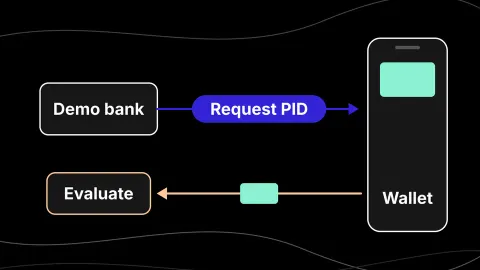
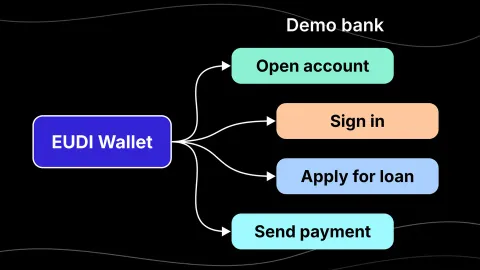
We've created interactive demonstrations of real-world EUDI Wallet use cases. Explore our open source demo bank, a full-stack reference app for PID-based identification and wallet flows.
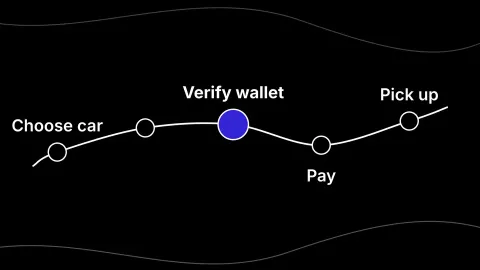
We've created interactive demonstrations of real-world EUDI Wallet use cases. Explore how verifiable credentials work across mobility services with our car rental demo.
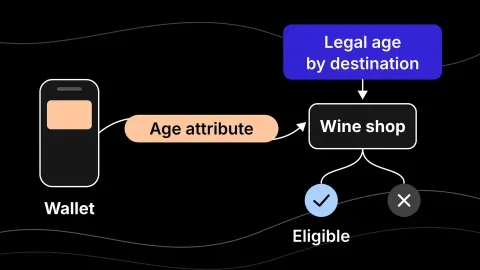
We've created interactive demonstrations of real-world EUDI Wallet use cases. Read on for an overview of our end-to-end demo that simulates a real purchase journey for an age-gated commerce EUDI use case.
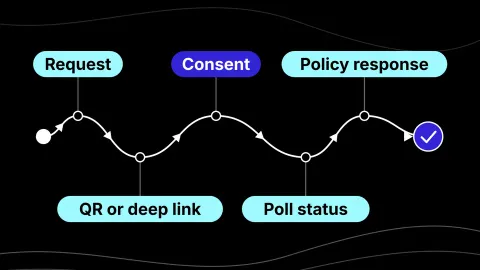
Understanding one Vidos EUDI demo means understanding them all. Read on to learn about the five step universal verification flow that powers every EUDI demo, and why it matters for privacy, compliance, and integration teams.
Vidos EUDI Use Case Demos are built to help teams make EUDI wallet journeys tangible, testable, and easier to implement. If your team is currently translating EUDI requirements into roadmap items, this can help you move from abstract planning to practical implementation decisions faster.
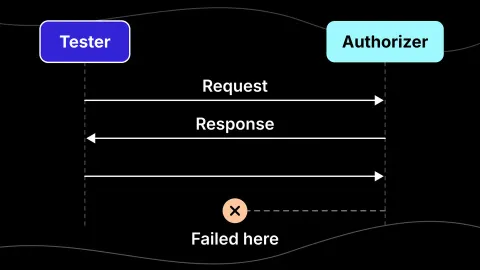
If your team is testing credential verification flows, Debug Mode is a practical upgrade to your existing process. You still run the same scenarios, but now with visibility into the full Tester-Authorizer exchange.
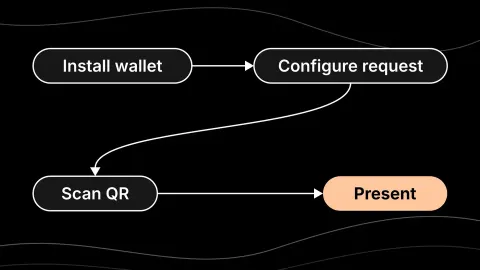
Custom wallet builds are necessary today, but they're a temporary solution to a transitional problem. The EUDI test wallet removes the friction of building and configuring your own wallet, letting you focus on developing and testing verifiable credential flows while the ecosystem develops the registration infrastructure.
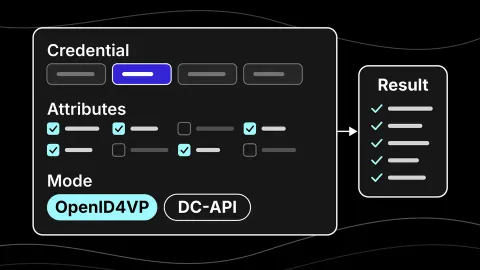
Vidos Authorizer Tester provides a ready-to-use environment to test verification requests across compatible wallets, using either OpenID4VP or DC-API, and move from quick validation to production-like testing on your own Authorizer instance.
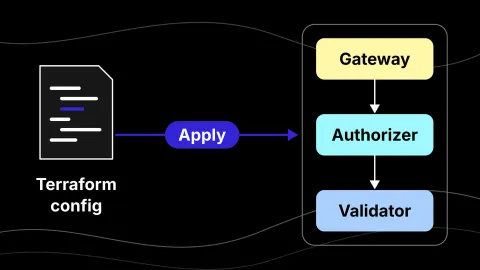
The Vidos Terraform provider is now available on the Terraform Registry, enabling teams to manage digital identity infrastructure, including IAM resources, service configurations, and verification instances using the same IaC workflows you already use for cloud resources.
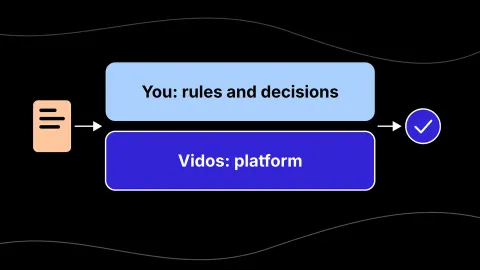
Digital credentials represent the future of identity verification. But that future only works when everyone understands their role and accepts their responsibility. Learn how Vidos' shared responsibility model aligns with your organisation's security posture and compliance requirements.
After the 11th Trust Services and eID Forum last week, one message resonated throughout the sessions: we've moved from planning to implementation. With implementing acts being published at pace and technical standards reaching maturity, the European digital identity ecosystem is taking concrete shape.The forum, hosted at FESB (Faculty of Electrical Engineering, Mechanical Engineering and Naval Architecture) in Spit brought together regulators, trust service providers, and technology implementers for two days of intensive discussions. Here are my key takeaways.
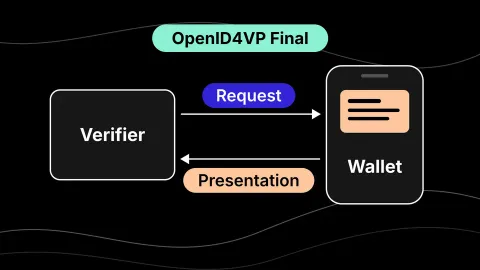
OpenID4VP has reached Final specification status, establishing a stable foundation for digital credential verification. With regulatory mandates and platform adoption, it underpins the future direction of digital identity ecosystems.
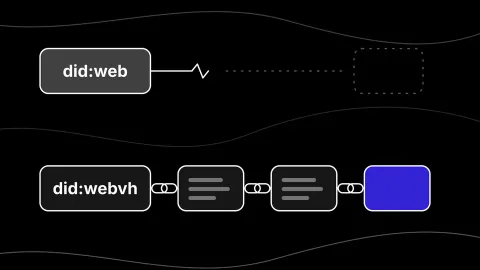
All Vidos services including Resolver, Verifier, Validator, and Authorizer now support did:webvh, the enhanced did:web with cryptographic audit trails. Adopted by Switzerland for national identity, this production-ready standard ensures credentials remain permanently verifiable. Start using did:webvh across your entire verification workflow today with no code changes.
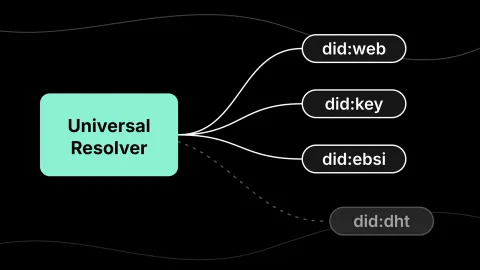
The experimental did:dht method, which used BitTorrent's peer-to-peer network for decentralised identity resolution, has transitioned to community ownership under the Decentralized Identity Foundation. As the ecosystem matures around production-ready standards, Vidos has updated its Universal Resolver to focus on actively maintained DID methods that align with enterprise requirements and regulatory frameworks like eIDAS 2.0.
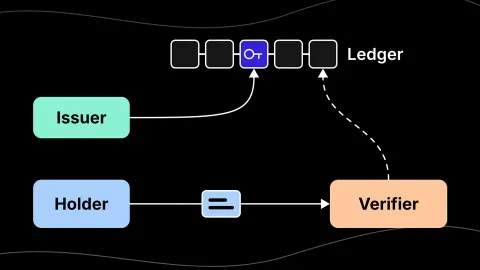
Explore how blockchain transforms digital identity with verifiable credentials, decentralization, and improved security for users and organizations alike.
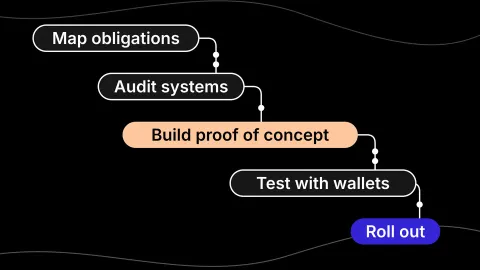
A practical step-by-step methodology for organisations to plan, build, and roll out EUDI Wallet integration to meet eIDAS 2.0 compliance requirements by December 2027.
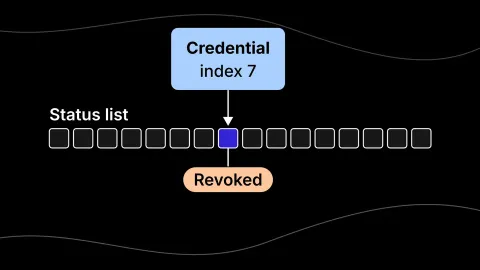
Explore how Status Lists enable scalable verifiable credential revocation, their challenges, and how Vidos enhances privacy, efficiency, and interoperability.
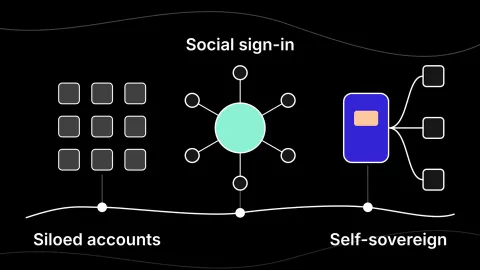
Experience a future where you control your digital identity, ensuring secure and seamless interactions across online services. Discover the transformative power of decentralized identity.
Discover how California's mobile driver's license (mDL) expansion to Apple Wallet and Google Wallet revolutionizes digital identity with enhanced accessibility, security, and future prospects.
Discover the top 7 trends shaping the future of user-controlled identity in 2024. From decentralized identity ecosystems to AI-powered verification, we explore how privacy, security, and innovation are transforming digital identities. Stay ahead of the curve with insights into the pivotal developments set to empower individuals and reshape industries.