
- Identity & Access
Verify a claim without revealing who the person is.
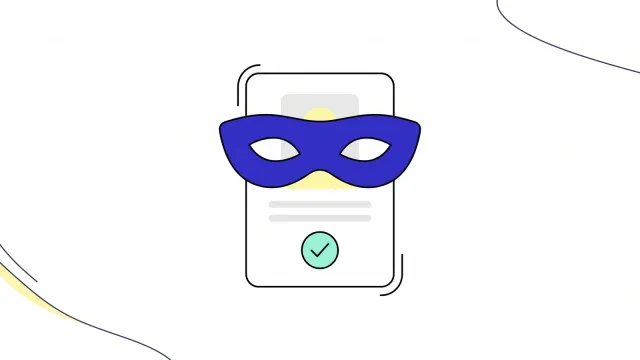
Pseudonymous identification allows a person to prove something about themselves without disclosing their name, date of birth, or any other identifying information. The wallet generates a cryptographic proof, and the verifying organisation receives only the assertion it needs.
Where verification is needed
- Whistleblower platforms: confirming valid credentials without identifying the reporter
- Anonymous surveys: verifying eligibility without collecting personal data
- Privacy-preserving service access based on status rather than identity
- Community platforms: confirming membership without linking to real-world identity
- Public Wi-Fi or venue access without registration
- GDPR data minimisation compliance
What Vidos does
- Requests selective disclosure or zero-knowledge proofs from the holder's wallet
- Verifies cryptographic proof against the issuing authority's trust chain
- Supports SD-JWT-VC, mDL selective disclosure, and Presentation Exchange v2
- Returns a binary or structured result with no personal data retained
- Produces audit records without logging personal data
Benefits for your organisation
- Align with GDPR data minimisation and purpose limitation requirements
- Serve privacy-sensitive users who would otherwise abandon processes
- Reduce breach exposure: data not collected cannot be compromised
- Support regulatory requirements for pseudonymous service access
- Same Vidos API integration with different presentation policies
EU context
eIDAS 2.0 (Article 5a) requires EUDI Wallets to support pseudonymous use. The architecture reference framework mandates wallet support for selective disclosure and unlinkable presentations.
Ready to get started?
Explore the verification infrastructure that organisations across Europe are using to accept digital credentials.